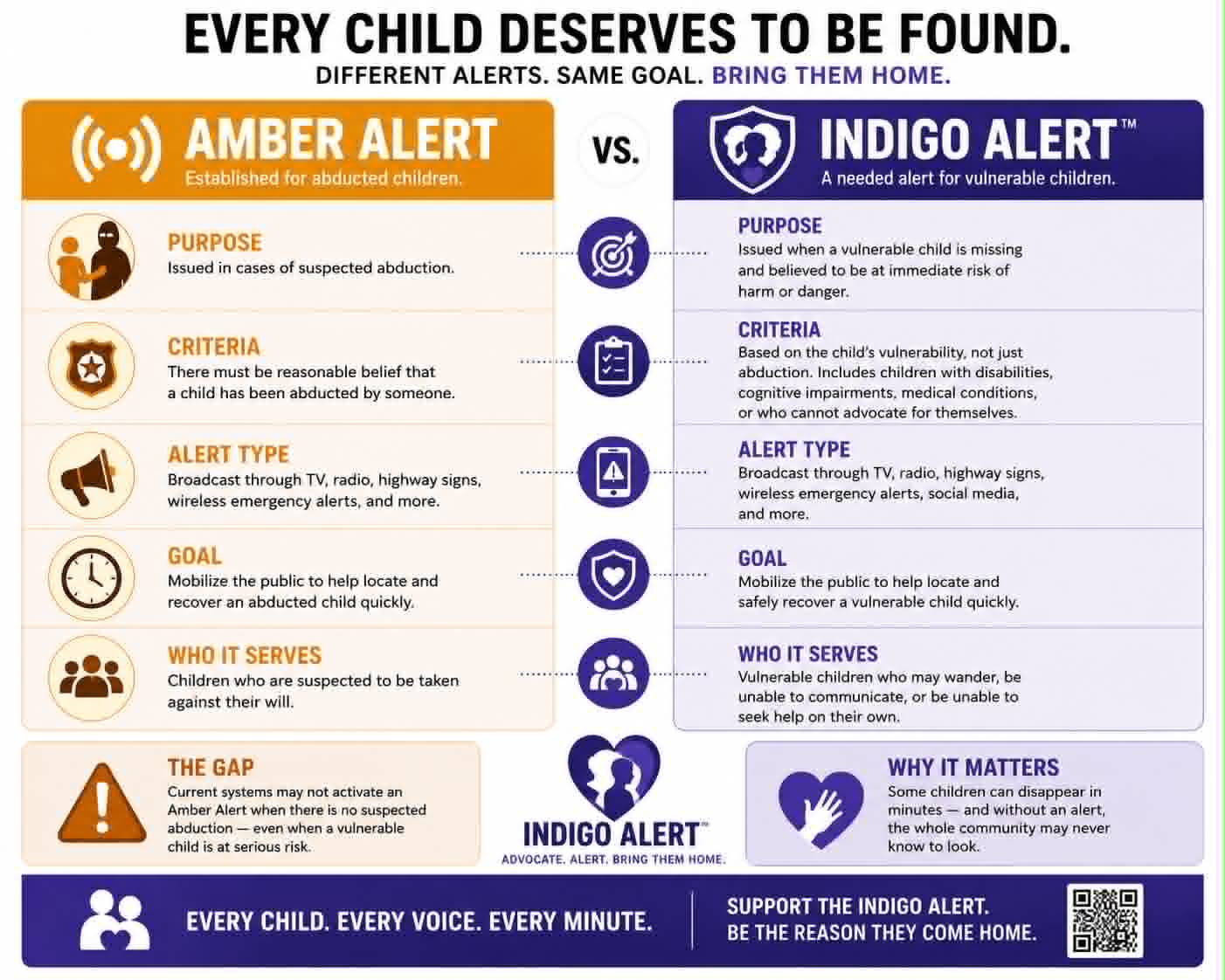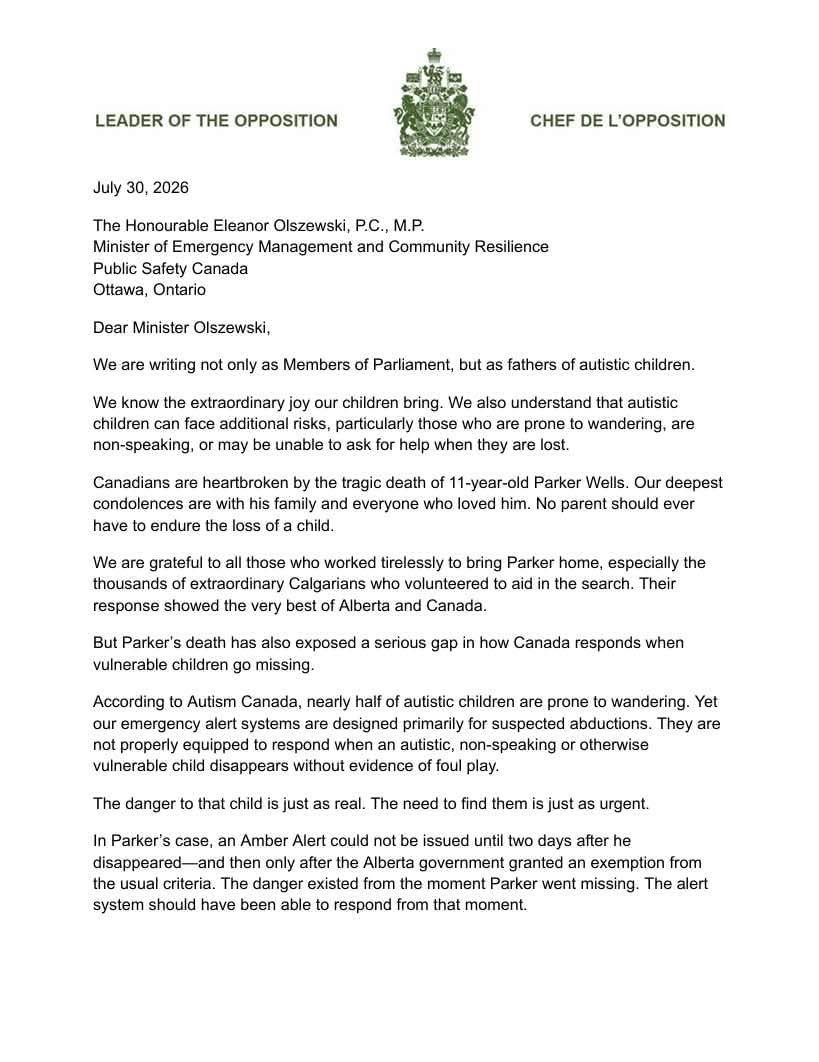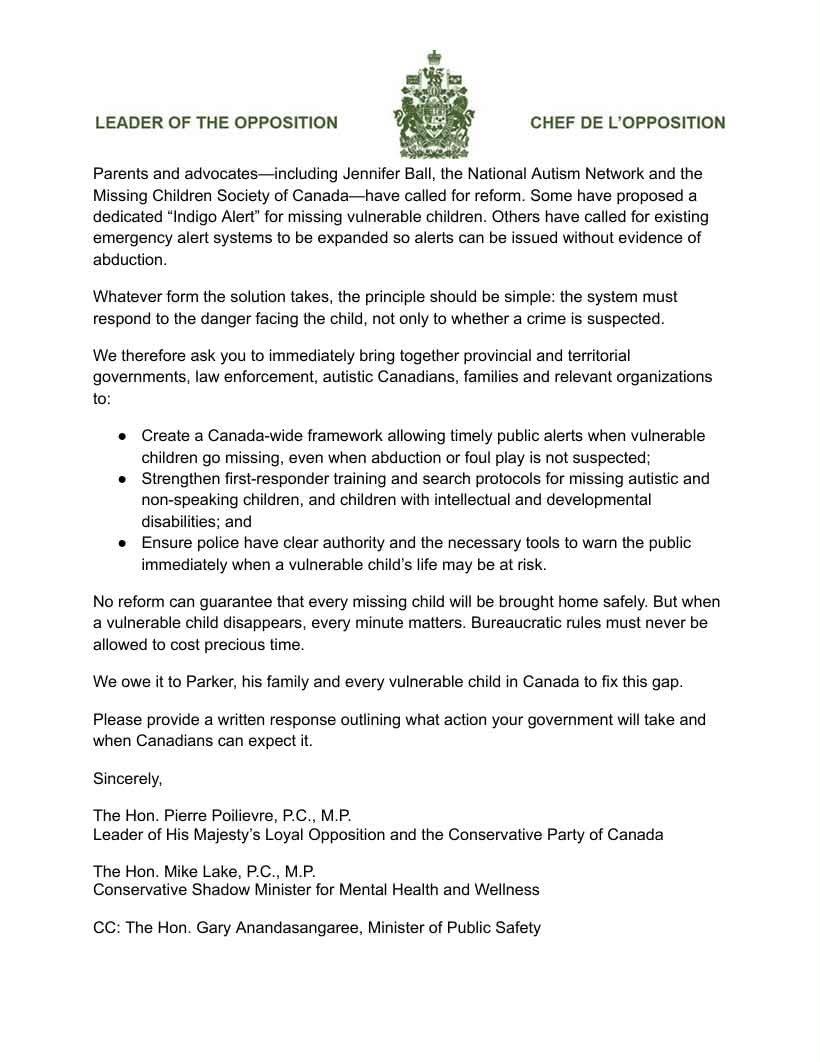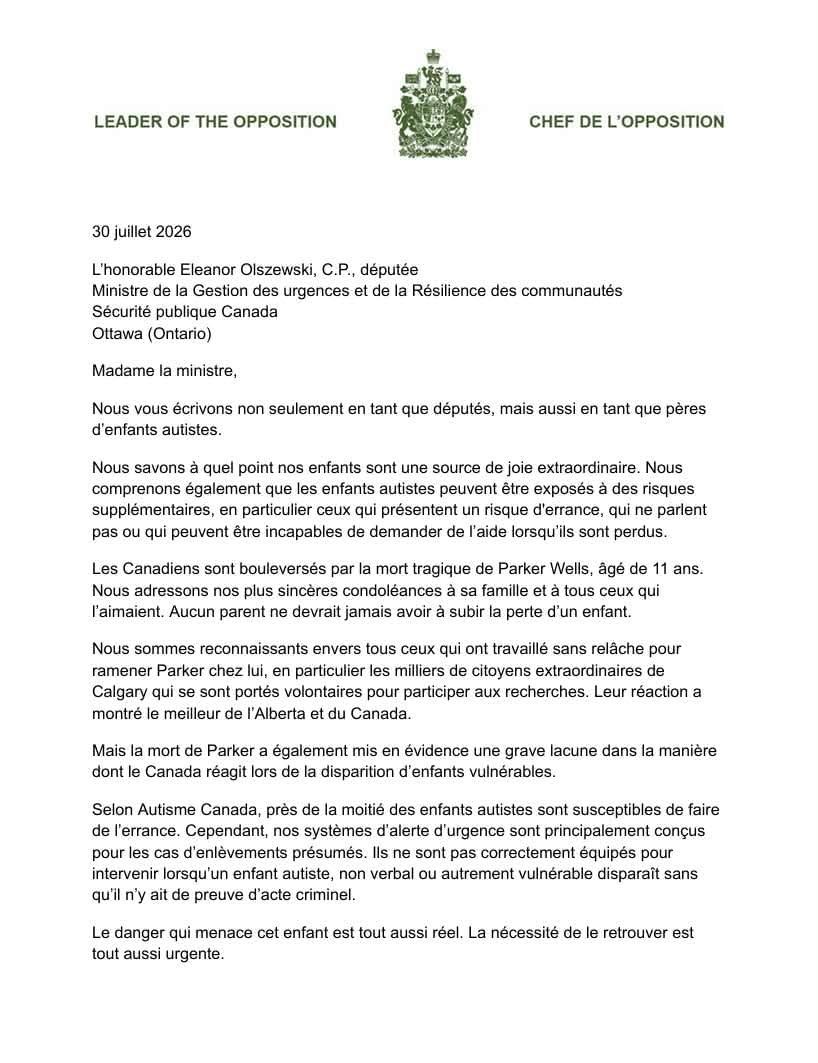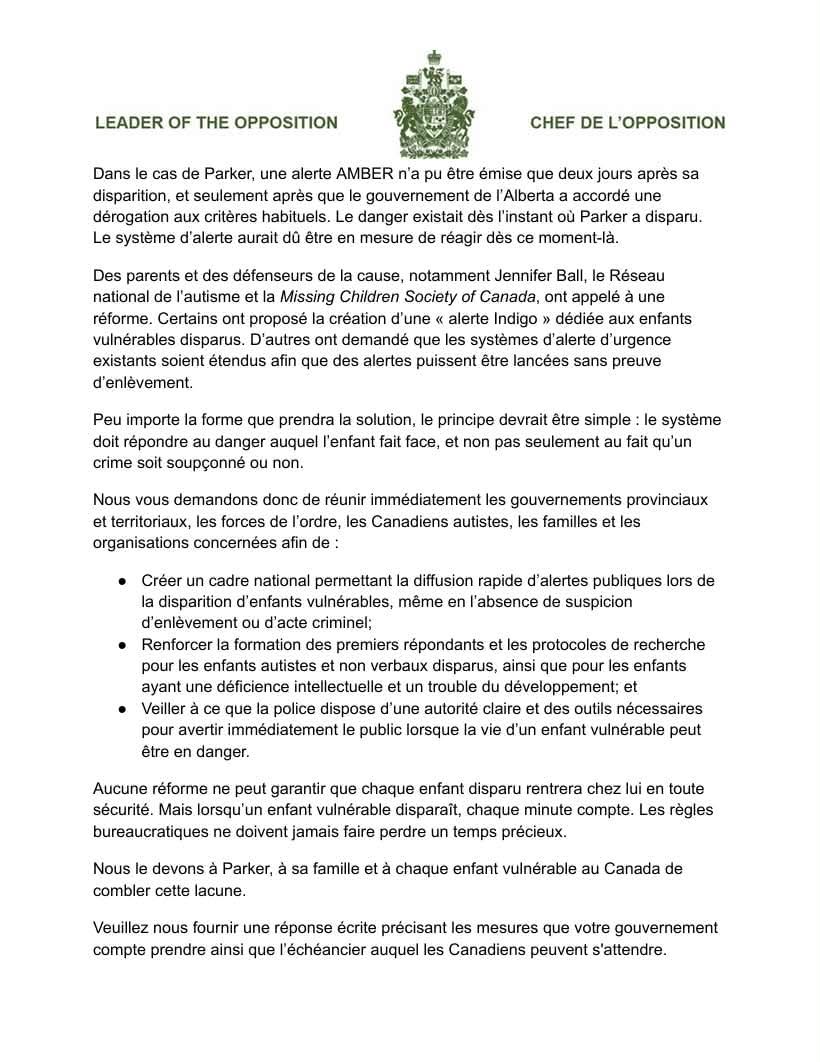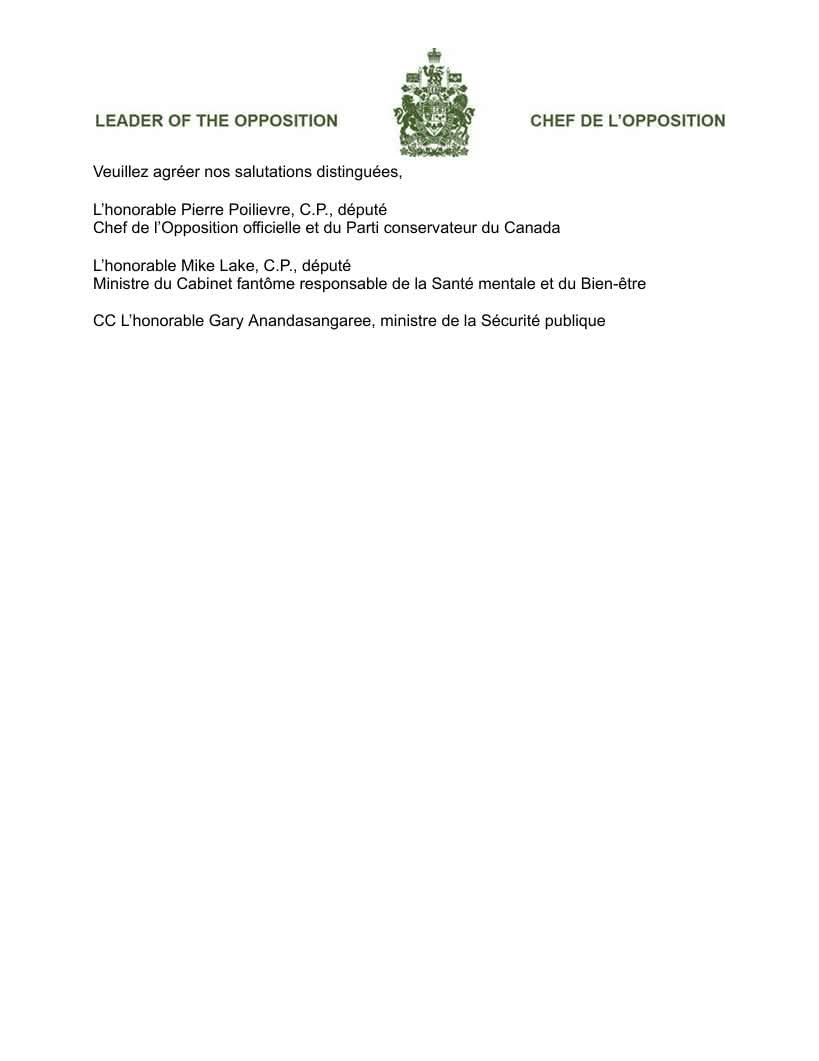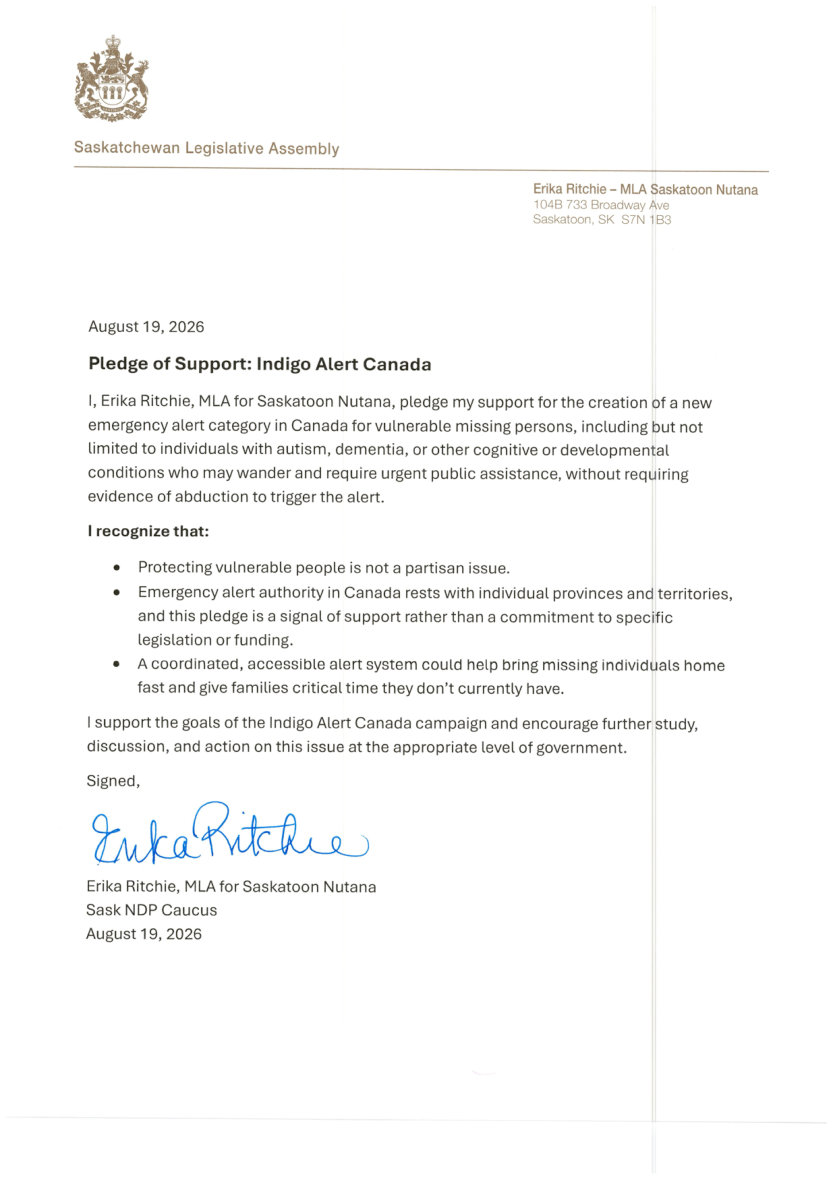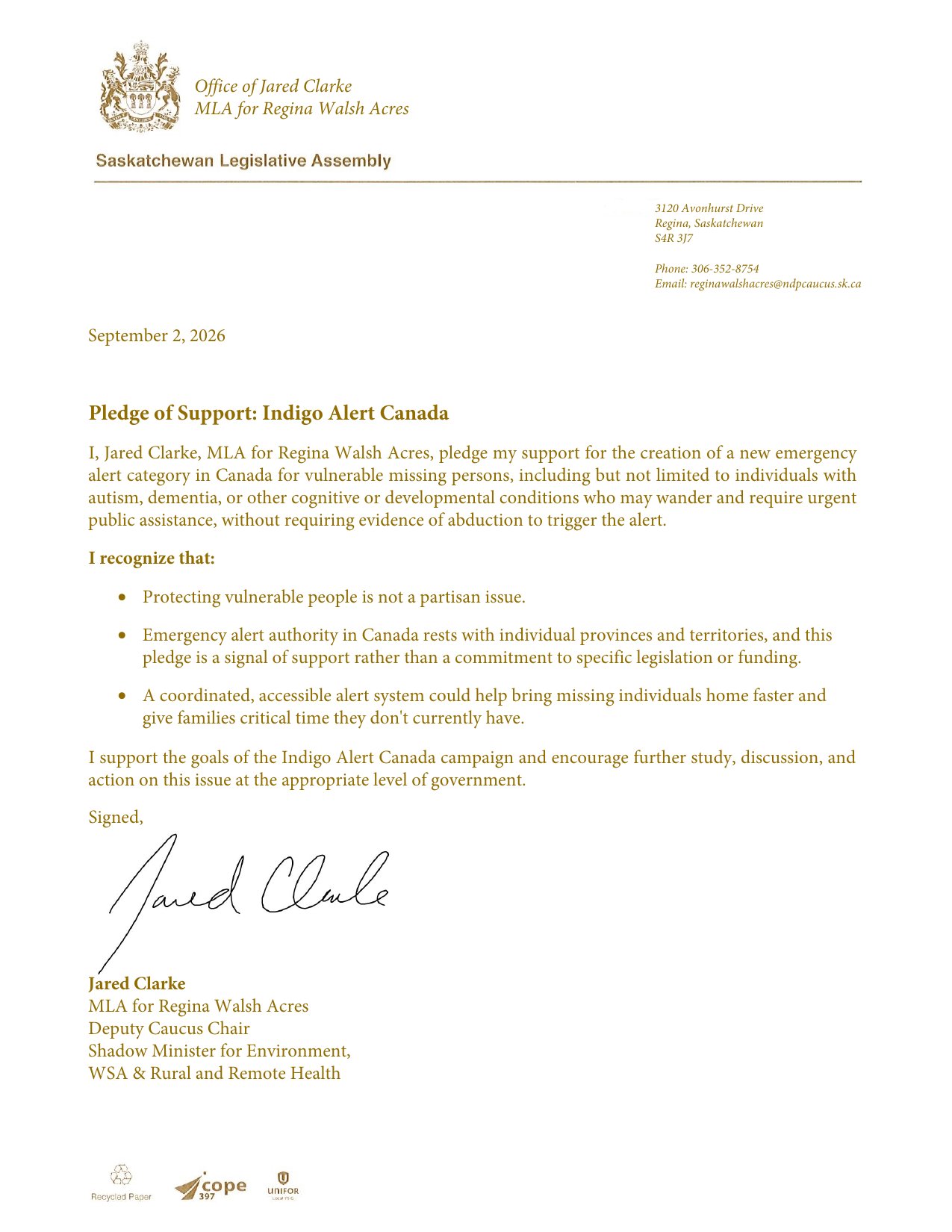
Canada's emergency alert systems were built for abductions. They weren't built for a non-verbal autistic child, or an older adult with dementia, who wanders off with no one able to explain where they went. We're asking every province and territory to close that gap with an Indigo Alert — for vulnerable people of any age, starting with the case that brought this gap to light. Alerts are authorized province by province, not by one federal law, so that's how we're building this: one legislature at a time, starting in Alberta.
This campaign started with Jennifer Ball, a Calgary mother of a non-verbal autistic child. Her question is simple: what happens when a vulnerable person goes missing, but there's no evidence anyone took them?
"It is essential to recognize that their inability to communicate and understand danger puts them at a heightened risk." — Jennifer Ball, Calgary
Right now, Canada's Amber Alert exists for one specific scenario: abduction. It's a vital tool, and it works well for what it's designed to do. But people with autism, dementia, developmental disabilities, or other conditions that make them non-verbal or unable to recognize danger can go missing in a completely different way — no suspect, no abduction, just a person alone near a road, a river, or in freezing weather. Under the current criteria, that situation may not trigger any province-wide alert at all, whether the person is a child or an older adult.
If there's no sign a person was taken, dispatch of a mass public alert isn't guaranteed — even if they're non-verbal, medically fragile, or at serious risk of harm.
A new alert tier triggered by a person's vulnerability — developmental, cognitive, medical, or communication-based, at any age — regardless of whether abduction is suspected.
Closing this gap doesn't mean replacing the Amber Alert. It means giving law enforcement a second, faster tool for a different kind of emergency — one that current criteria weren't designed to catch.
This isn't a call to alert the public every time someone goes missing. Amber Alert works precisely because its criteria are narrow and specific — an Indigo Alert should follow the same discipline: clear, verified risk factors, not a blanket trigger. Alert fatigue is real; a system people learn to tune out helps no one. The goal is a small number of alerts that people take seriously, not a large number they start to ignore.
This campaign began in Calgary, with one family's search for a way to make sure no one else waits helplessly for an alert that never comes. But the gap it uncovered isn't an Alberta problem — it's a Canada problem.
Canada's alert broadcasting infrastructure (Alert Ready) is coordinated nationally, but the authority to set alert criteria and actually issue an alert sits with each province and territory individually — which is also why Amber Alert criteria already aren't identical from province to province. There's no single federal law that can create an Indigo Alert everywhere at once. It has to be won province by province, and territory by territory — which is exactly why this site is built the way it is: start where the momentum already exists, then build the same case, one legislature at a time, until every Canadian has this protection no matter where they live.
The push for an Indigo Alert gained urgency after an 11-year-old non-verbal autistic boy, Parker, went missing from a Calgary day home in July 2026 — and an Amber Alert wasn't issued for two days. Jennifer Ball's campaign has been covered by national outlets since.
▶ Watch
Global News — Search for missing Calgary boy prompts call for Amber Alert review. Reporter Heather Yourex-West on why the alert was delayed and the calls for reform that followed.
📰 Read the coverage
← scroll for more coverage
The petition asks Canadian authorities, provincial and federal, to formally recognize this gap and create a new alert category for medically or developmentally vulnerable missing children. It takes under a minute to sign.
Every signature adds weight when this reaches an MLA's desk. Share it with your own network after signing — reach matters as much as numbers here.
Join over 14,500 signers — every signature counts.
Signatures show support. A direct message from a constituent to their own representative is what usually gets read first. Choose your province or territory, find your representative, then send a short, personal note.
Search below, or use the official address-based lookup for guaranteed accuracy.
A template is generated for you. Add your own experience in a sentence or two — personal notes carry more weight than form letters.
Copy the text into your email client, or use the button to open a pre-filled message, addressed and CC'd automatically.
MLA office emails are tied to the constituency, not the individual member, and are cross-referenced against the Legislative Assembly's own records rather than guessed from a formula. One constituency (Calgary-Bhullar-McCall, renamed since our reference data was published) is flagged "unverified" — please confirm it on the profile page before sending. If "Open in email app" doesn't do anything, your browser may not have a desktop mail client configured; use "Copy email text" and paste it into Gmail, Outlook, or whichever you use instead.